5 Reasons Why Your Child Needs Yoga
As a long-time yoga practitioner, I jumped at the opportunity to begin studying with Sonia Sumar, the creator of Yoga for the Special ChildⓇ. Through her experiences with her own daughter, who was born with Down Syndrome, Sonia designed a Hatha Yoga program that was modified to meet the needs of children with a wide variety of speech, language and learning disorders, as well as those with physical disabilities and genetic disorders. She has shaped this practice over the past 40 years, and I have had the pleasure of training with her over the past two years. So, why do I think that yoga is the perfect supplement for a speech and language program?
1.Chanting Stimulates the Brain
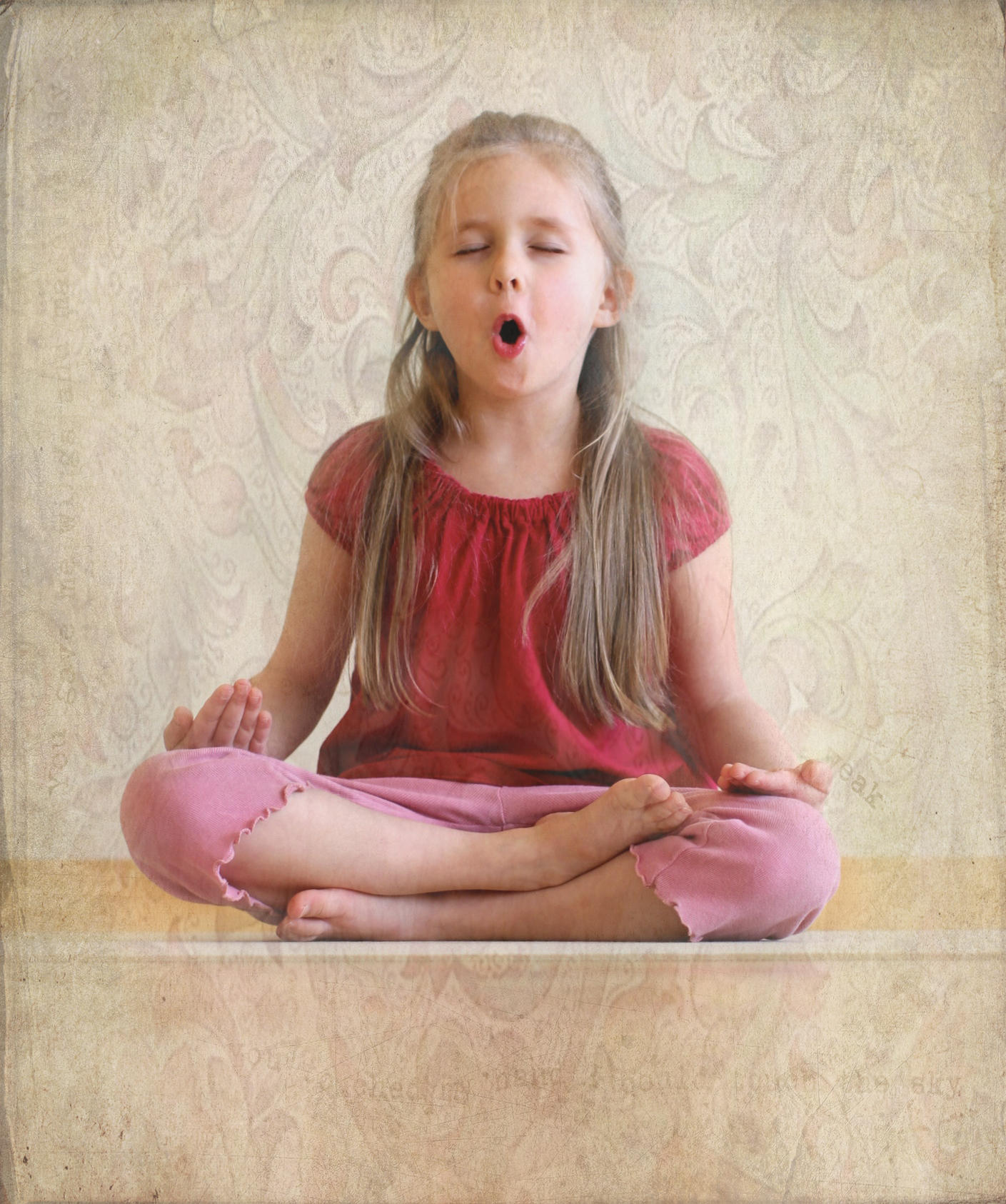
In a traditional Hatha yoga program, the practice begins with chanting. Chanting is the rhythmic repetition of words, such as “Hari Om”, which means “the removal of suffering”. From a speech and language perspective, these sounds are easy for a child to repeat and fill the body with vibrations. In yoga, chanting is paired with clapping or body movements to create a multi-sensory connection. These body movements help a child to organize his brain for the movements that are to come. Studies have shown that this pairing of auditory, visual, and kinesthetic (i.e. body movement) feedback can aid a child with motor learning difficulties to begin to make vocalizations and words. Continued practice of the rhythms and chanting will also lead to greater awareness of patterns and increased vocalizations from the internal feedback the child receives from chanting.
Another advantage of chanting is that it leads to greater relaxation. Limited speech production or difficulty in school can be anxiety producing for a child. By modifying the rhythms of the chant, a trained yoga practitioner can help your child find an internal calm that will carry through the next day, or longer!
2. Breathing is the Key
Breathing is the basis of all human function—but most people are doing it wrong! Many people are accustomed to short, shallow breaths that can lead to increased anxiety and hyperactivity. By learning to activate diaphragmatic breathing, children (and their parents) will experience a release in muscle tension, increased oxygen to the cells and organs, and greater concentration. From a speech-language pathologist’s perspective, proper breath support is also the basis for speaking. A child must be able to produce appropriate air flow to make any sounds or vocalizations, and well controlled breathing will help to maintain appropriate vocal volume (i.e. that perfect medium between whispering and shouting).
Breathing is incorporated throughout the yoga practice by having a child pair their breath with body movements. When a child is ready, the yoga practitioner can help to incorporate pranayama, or breathing exercises, which further detoxify and center the child. Parents have even reported a decrease in seizure activity by consistently practicing pranayama breathing.
3. Holy Corpus Callosum!
The corpus callosum is a strip of nerve fibers that connect the right and left hemisphere of the brain. It is responsible for sending messages from the left brain (language dominant side) to the right brain (motor learning side) and vice-a-versa. In children who have learning disabilities, motor planning issues, or genetic disorders, the corpus callosum is believed to be weakened, or in some cases, nonexistent.

By combining body movements with breathing and chanting, yoga helps to strengthen the corpus callosum. In a yoga program, the practitioner is able to develop this area of the brain by using predictable, yet varied, patterns of movement. For example, every session begins clapping and mudras, or hand movements, but the rhythm and sequence of these movements change from session to session. Furthermore, the repetition of the same asanas, or body movements, from session to session can lead to better integration of the left and right brain. This increase in density, or thickness, of the corpus callosum can lead to an enhanced ability to follow directions, increased verbal output, and greater attention to the environment.
4. Turn Your Body Inside Out
When most people think of yoga, the first thing that comes to mind is a series of poses, also known as asanas. In a Hatha yoga practice, body movements are chosen to ensure proper body alignment. The practitioner will choose movements that will gracefully move your child through forward, backward, and lateral movements while seated, standing, supine (lying face up), and prone (lying face down). By working the body through a complete range of motion, yoga has the ability to organize a very disorganized system. When the brain no longer has to make accommodations for our sensory profile, language can flow much more freely. After practicing yoga, the body is functioning optimally, and children no longer have to tune into themselves to make adjustments and “fit” into the world around them. Rather, they can now focus their energy outwards to have conversations with those around them. This could mean greater eye contact, increased confidence in putting words together, or improved conversation with family and peers.
5. Creating Routines
All humans thrive on routine. Although the individual movements may vary from session to session, the components of each class remain the same. Yoga is a daily practice that can be easily incorporated into your family’s life and over time, you will see many significant changes in both your child and yourself. As a child becomes more comfortable with the yoga practitioner and the individual movements, he will be able to open up and take more risks, both on the yoga mat and throughout the day.
Beginning in September, I will be offering individual Yoga for the Special Child sessions in Gowanus and Ditmas Park, Brooklyn. Contact jocelyn.m.wood@gmail.com for more info or visit www.jocelynmwood.com.
Recent Comments